SAVANNAHGANS® Magazine Savannah Cat Blog
WHAT THE “F”?
(Facts, Filial, Fraud, Fur, Food - Any “F” word applies!)


Servals have become an increasingly popular exotic pet based on their nature, size, and majestic looks. However, many fail to fully comprehend or consider that Servals are wild animals, even when bred and raised in captivity. They require a particular environment, diet, vitamins, enrichment, and enclosures. Many states, counties, and cities require special ownership permits and legal documentation of import and export history.
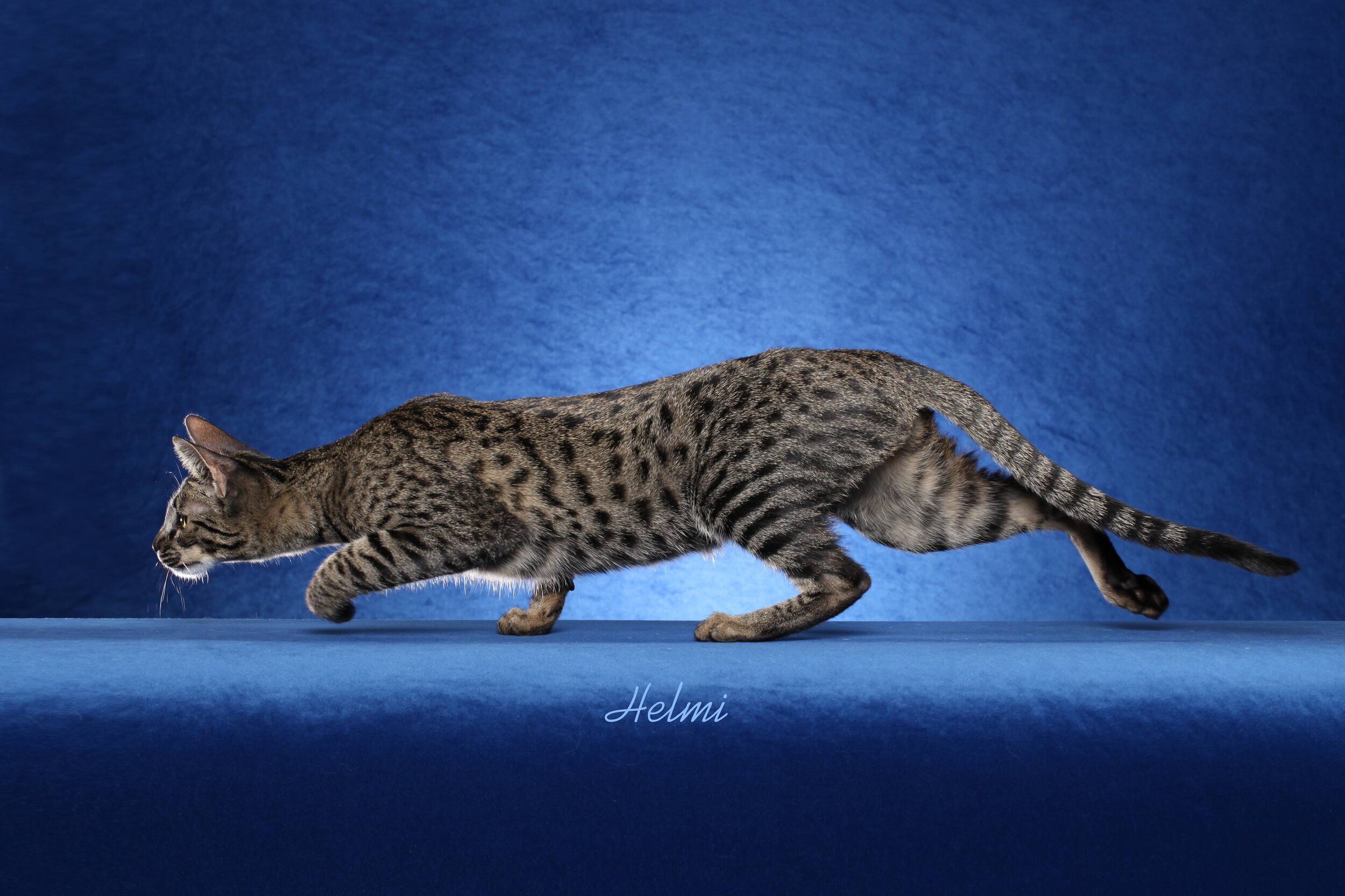
The Savannah cat breed's miraculous story starts with the surprise birth of a single Serval-domestic hybrid kitten. From there, it evolves with several breeders responsible and recognized for the founding and progression of the Savannah breed, gaining The International Cat Association (TICA) Breed Recognition. Without TICA's recognition, the Savannah cat was nothing more than a hybrid cat, not an actual breed. Continue reading about the challenges and the visionaries who meticulously and carefully bred for a specific set of characteristics, shaping the Savannah breed to what it is today. The history is, however, not without discrepancies in some of the earlier details. I’ve shared the information obtained in the most neutral way possible, with respect for the accuracy and details as they were presented.
I feel it’s important for Savannah owners and enthusiasts to know the backstory of the breed’s creation and what it took to be where it is today. Special thanks to Patrick Kelley and Joyce Sroufe for the many enlightening discussions for this deep dive into early breed history and Brigitte Cowell Moyne for the endless amount of resources for achieving breed recognition and more.

Beautiful, wonderful Servals. Servals can be an incredible pet. The bond created between you, and your serval is the strongest bond you’ll ever have with an animal…for the RIGHT person. Unfortunately, most people are NOT the right person to own a Serval for various reasons.

Often, we as breeders must remind ourselves of the responsibilities and pledges we take when we become a breeder—an ethical breeder at that. Some subjects regarding those responsibilities need attention and to be addressed.

I want to explain the raw truth to those who think that a breeder who posts an “available cat” is a sad or even objectionable situation. It’s important to know that a breeder can only improve their breeding program by either introducing new breeding cats or keeping a kitten from a litter they’ve produced. If a breeder were to keep every retired breeding cat, they’d end up a cat hoarder; NOT a breeder.

What does SBT Mean? Once a cat's parents, grandparents, and great-grandparents are ALL Savannahs, the result of those kittens is what's called "Stud Book Traditional" or SBT. This is the first generation considered a purebred Savannah and is the only classification for the Championship Competition with TICA. The earliest generation SBT's are achieved is F4 (but of course, that doesn't mean ALL F4's are SBT).
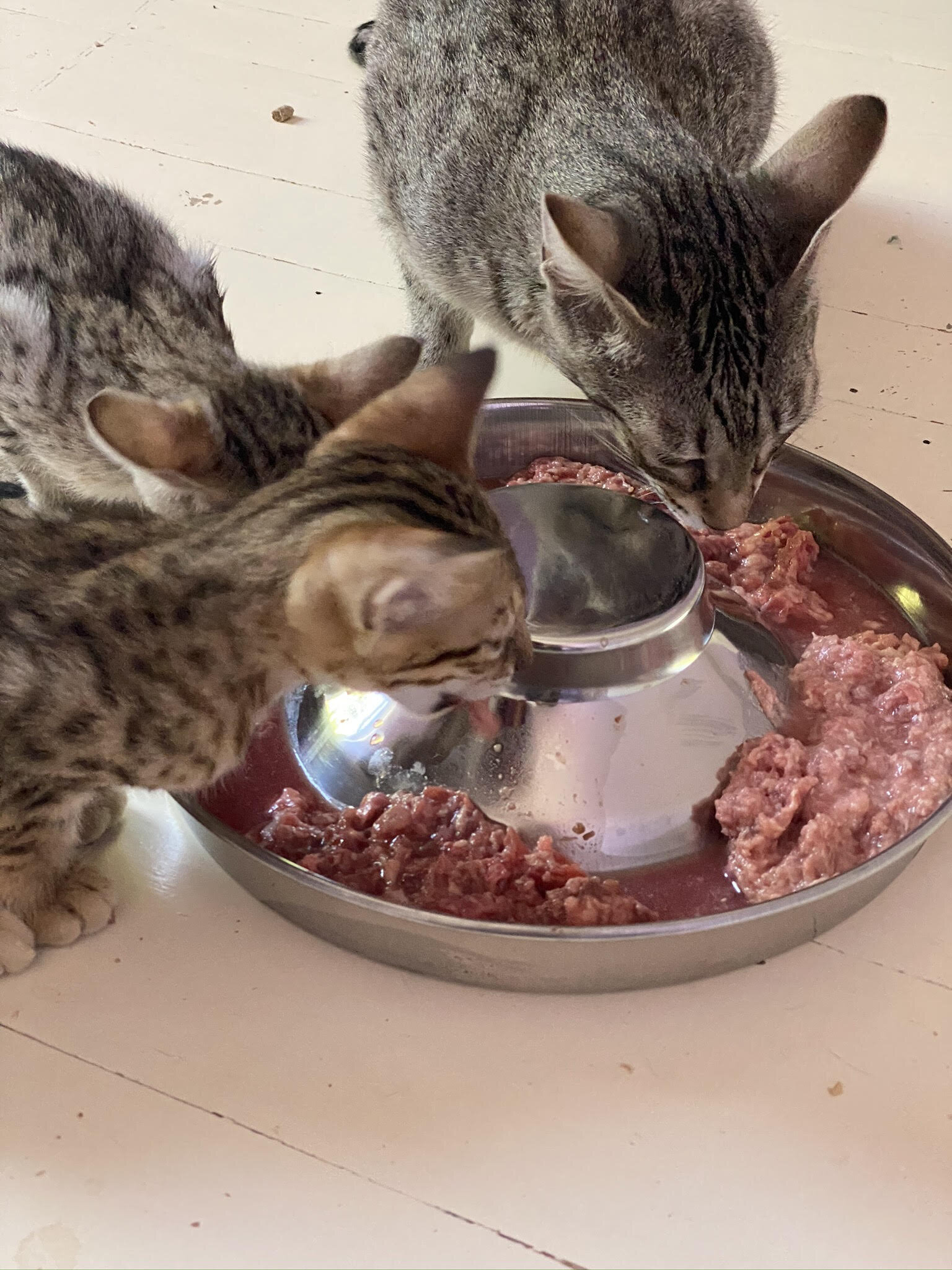
Cats are obligate carnivores, and raw is a species-appropriate diet. Kibble has only been around since WW2, and although its purpose was convenience and longevity, that comes with a sacrifice. Kibbles are pressure cooked at high heat, which removes most natural nutrition. Cheap oils are then used to coat them and add back synthetic vitamins to hit a base level requirement.

There are many options for easy scoop-and-serve premade food, but making raw food yourself can be easier and more cost-effective. Cat CRAP on Facebook provides a convenient calculator to input and balance recipes using different cuts of meat, bone, and organ (80/10/10).

Savannah cats have increased in popularity over the years, as have the myths surrounding them. Misinformation also adds to the exotic mythology surrounding Savannahs. It has made our beloved breed and the desire to own one a prime target for scammers, fraud, and backyard breeder situations.

One of the first things people new to the Savannah world ask is, "What does the 'F#' mean when reading about Savannahs?" First, it is essential to define what the "F" means when referring to our beloved Savannahs.
BREEDER INTERVIEWS

We absolutely fell in love with this breed. It's not like any other. We fostered cats for years, and my husband always told me he was allergic to cats until we owned a Savannah. He's now a full-blown cat dad!
There's so much to learn, and I don't think I'll have scratched the surface even in the next five years! We love the Savannah community and enjoy seeing our fellow breeders helping to better the breed. It's so exciting watching other breeders' kittens develop. After all, that's what it's all about for us. We breed because we adore Savannahs, and seeing our fur babies join their forever homes is so rewarding.
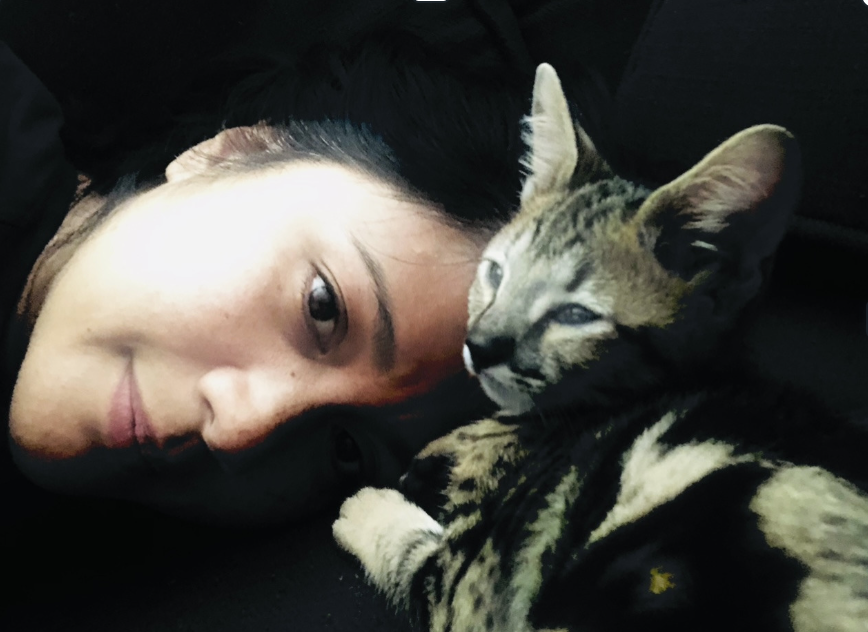

We are Anna and Andrew, and we live in Kyiv, Ukraine. In addition to breeding Savannah Cats, we also help homeless animals and animal shelters

Salem's Pride Savannahs is an "in-home" cattery on two acres outside Ann Arbor, Michigan, where I've resided since 1978.

I purchased my first pet Savannah, in 2011. In 2015 I knew I wanted to breed savannahs and better the genetics and quality seen locally. Shortly after, I started breeding, and I didn't see the genetic pool I'd hoped. Hence, I began researching Serval ownership and breeding F1 Savannahs to introduce new genetics and lines within the Savannah breed.

Cattery Cat Vision breeds two breeds; Savannahs and the Kurilian Bobtail. The cattery was founded in 2017 when they started breeding Savannah cats.

An in-depth interview with Savannah Cat foundation breeder Doreen Boileau of Drinkwater Cats

I started with Savannahs in the early 1990s after visiting a lady in Tarzana, CA, Jan Giacinto, a breeder of Bengal cats. While at her home, I caught a glimpse of her Serval cat. I'd never before seen a cat like this. It was huge in comparison to Bengal cats. I asked Jan if anyone had ever created a hybrid of a cat-like the Serval, and she said she'd heard of someone--but they weren't worth anything--and brought my attention back to her Bengals. But...it was too late. I'd already begun to figure out how a Serval/domestic cross would become the next breed of cats.

What I've always loved most about our breed is the intensity through their energy, loyalty, and love. The connection a Savannah has when looking at their person is like staring into their soul.

We got our first Savannah, an F2 male, as a pet in 2001. We were fascinated, and I was intrigued at the possibility of helping to develop a cat breed as exciting as the Savannah cat.

My cattery is a VERY small in-home, hobby cattery (we can count our current breeding cats on the one hand), focusing on quality - not quantity. We're very fortunate to have cats from not only some of the best breeders in the country but from across the world. I have many other breeders who've helped us get this far. I enjoy helping out in the Savannah community and giving back where I can. And although I don’t get the opportunity to do it enough, I enjoy participating in TICA shows, sharing our magnificent breed with the public.
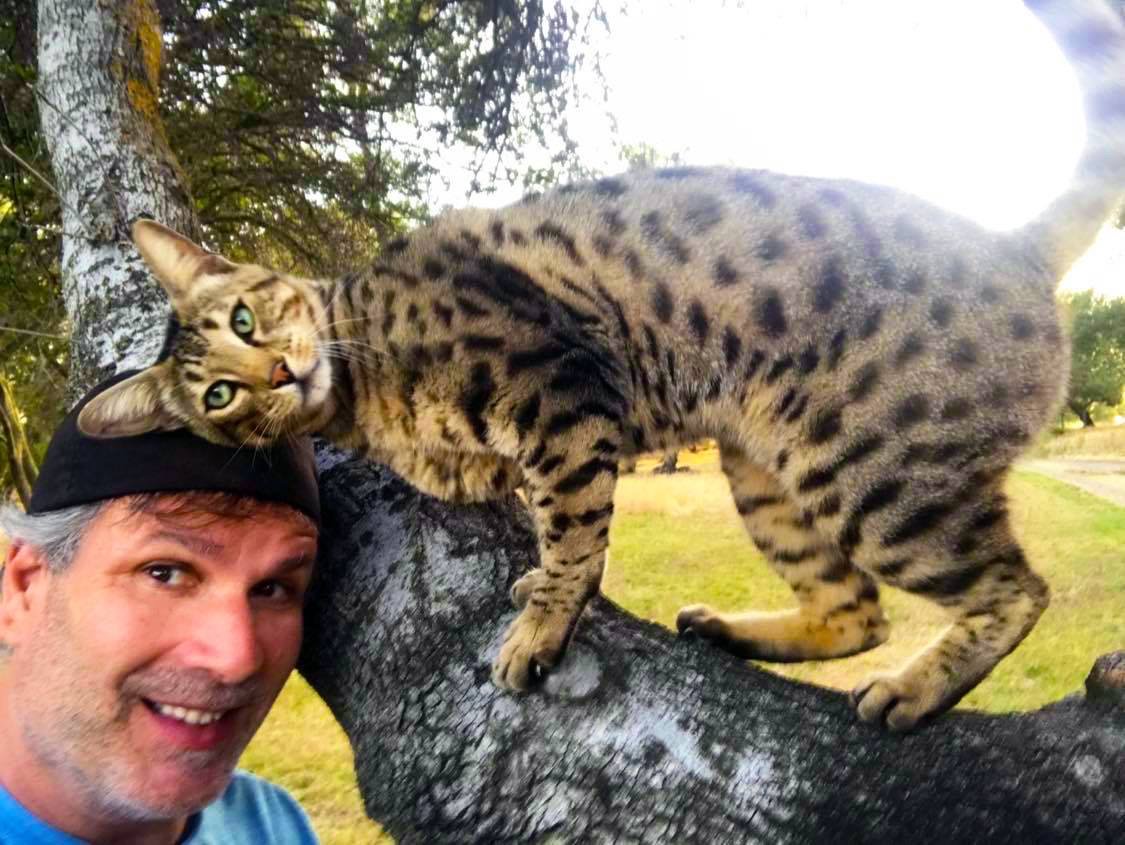
A Broad-ranging Interview, with Savannah Cat Breeder Paul Casaudoumecq Savannarama Kittens. Learn here about Savannahs, breeding, ownership tips, and the future.
BEHAVIOR
All species have innate behaviors meaning they’re born with specific “wiring”. These are the actions our pets’ feral or wild counterparts must perform to survive, thrive, avoid predators, eat, and reproduce. Though perfectly natural behaviors for a kitty, sometimes they’re a nuisance to us humans; such as clawing objects or behaviors that are difficult to express in the limited environments we provide. Because cats have strong biological and emotional wiring that drives these needs, these behaviors are not very changeable and unresponsive to behavior modifications like punishment or medications. They are part of who your kitty is. If not given appropriate outlets for these species-specific needs, cats end up expressing these needs in ways we don’t like resulting in a state of chronic stress that leads to behavioral or medical problems such as lower urinary tract disease and chronic stress associated with an environment that lacks enrichment opportunities. —Jenny Biehunko, DVM; Resident ACVB


MEMORIAL TRIBUTES


Look at the pedigrees of Savannahs Cats with superior physical type, and you’re bound to find Margitta Graeves' and Kiwanga mentioned somewhere.
FEATURED ARTISTS
Harnesses - Jewelry - Art

We create collars and harnesses based on your Savannah cat's custom measurements, and our harnesses are comfortable, safe, and good-looking. You don't go to a website and click "S, M, or L," choose a pattern, and check out. Instead, we create your harness to be a perfect fit by considering your cat's age, generation, and weight and by looking at photos of your cat to see their body shape and stature.
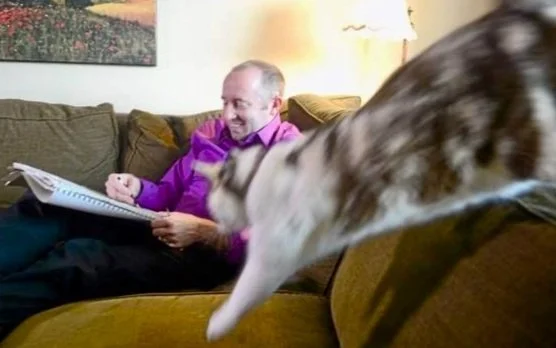
Scott Metzger is a cartoonist from the San Francisco, CA, area. Scott’s single-panel comics appear on greeting cards, magazines, and online. Anyone on social media and owning a cat (or ten) has read and shared the humorous cartoon work of Scott Metzger. We know cats are funny and entertaining, and Scott funnels their antics into hilarious cartoons.

My name is Maria Harrison, designer and seamstress of the original cat jacket harness. I have a wealth of knowledge about my cat jackets and cats. We’re from Yorkshire, living in the Scottish Highlands.

Our harnesses are the best you'll find. They're the most comfortable, best looking (including authentic and designer patterns), and most importantly, the safest. We take our time to make each piece a perfect, custom fit for your cat. We use only brass or metal hardware (no plastic or cheap stuff) and a double safety with genuine Italian leather in most cases.

I've always owned and loved animals of many types: From training and hunting with dogs; to horse events with the whole family, and even raising salamanders (so spoiled, they'd only eat from our hands) when the kids were little. As the kids grew and my husband started working on the road, I realized my childhood dream of showing cats.

Jacqueline Luttrelle has been a professional artist for many years, having graduated from the Art Center, College of Design with a Bachelor of Fine Arts Degree in Advertising Illustration. She’s done both illustration and graphic design part-time since 1985.
HEALTH & SAFETY STORIES

Avian influenza, commonly known as bird flu, has long been recognized as a threat to avian species and, occasionally, humans. However, recent cases have highlighted another susceptible group: domestic and wild felines. The H5N1 strain, in particular, has shown the ability to infect cats, raising concerns about cross-species transmission, public health implications, and animal welfare.

Let’s explore why dry food isn’t the best option and how to provide a healthier diet for your feline friend.

Experts suggest that essential oils can positively affect cats, including repelling fleas, improving mood, promoting healthy skin, and relieving stress. Nevertheless, it's important to note that most essential oils are unsafe for cats. Some essential oils can be toxic or harmful.
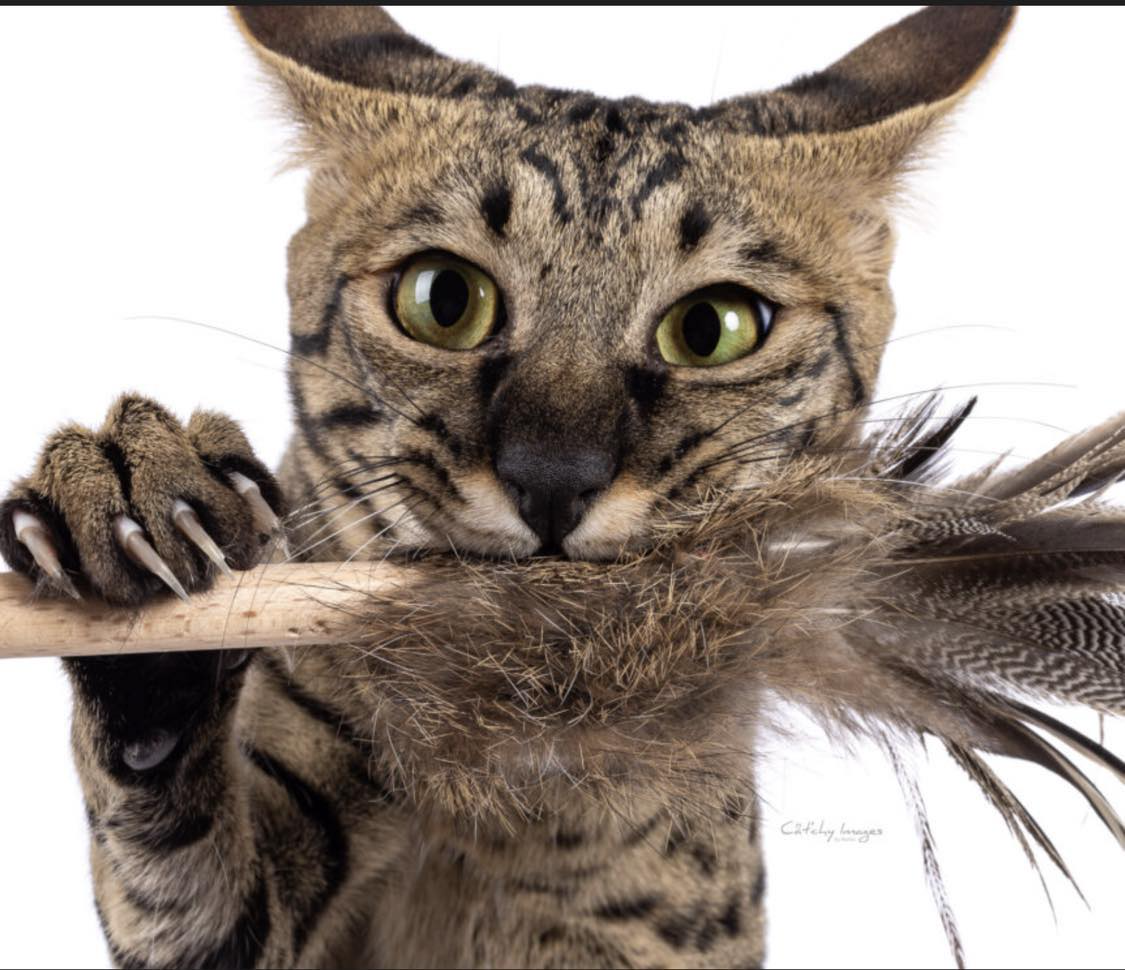
Trimming a cat's nails can be daunting for many owners, but with the right approach and patience, it can become a stress-free routine for you and your cat.

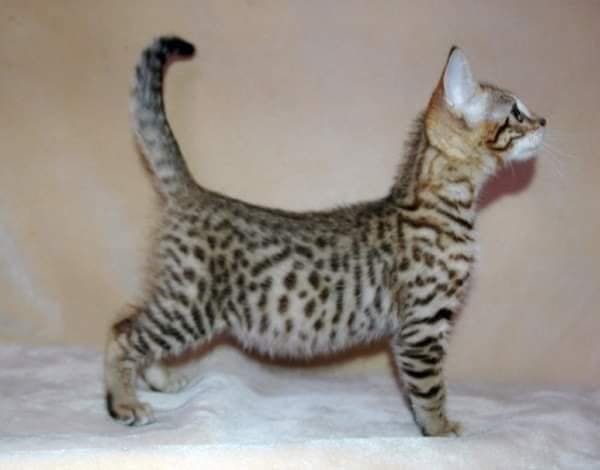

Linebreeding has occurred for many years, especially in the livestock industry. Many breeders use linebreeding to keep only the parents' best features to pass down to their offspring. When appropriately done, linebreeding can produce more consistent and uniform offspring and eliminate certain flaws in the breed.

What should breeders know in terms of genetics and how to proceed with breeding once a kitten from their cattery has been diagnosed with FIP?
On September 12, 2021, Munchie became lethargic and had lost two pounds since March. He had a fever, and there was fluid around his lungs. The vet suspected Feline Infectious Peritonitis (FIP) and collected the fluid sample. I searched the web to learn about FIP and found the FIP Warriors 5.0 Facebook page, which helped save Munchie’s life.

Having a new kitten is a wonderful experience; especially a Savannah kitten. Your new kitten is embarking on a journey, away from their mother, siblings, and home—and this can be terrifying.

In May 2021, just before my first birthday, mom came home from work and found me limping. She thought I'd injured myself, so we went to the doctor, and they gave me some medicine for pain and told mom to watch me. I was tired and wanted to sit on mom's lap and sleep. Mom became nervous about my energy level and how I didn't want to eat much. Lex, my brother, lay with me during the day while mom was at work.
A couple of weeks later (at the end of May), mom thought my eyes appeared crossed. And she was right--my left eye wasn't working very well. I still lay on her lap because she feels warm and comfy. She also said my eye wasn't reflecting light, and it was hazy. She took me back to the doctor, and they suspected I'd either hit my head or scratched my eye. The vet took my blood and gave me some medicine and eye drops. I'm not too fond of either, but I let my mom give them to me. In a few days, I felt a little better. Almost as soon as I felt better, my eye became worse, and my head hurt—I cried when they'd touch it. Mom was frantic, and back to the doctor I went. They drew blood to run lots of tests, but nothing told the doctor what was wrong.

Luna: My Dad took this photo with my mom the weekend the specialists at MedVet told them to take me home to die—that nothing could be done besides palliative care medications to ease my suffering. Dad set up the studio lights and took our final photos together--I’m only 14 weeks old. Look how sick and depressed I am. But my mom didn't give up on me. She worked around the clock contacting every veterinary college she could find. One of those colleges 3000 miles away responded. They told her to get me on a plan as soon as possible, and they would try to save me. They did. Today, I’m a thriving four-year-old who is free from the scourge called Feline Infectious Peritonitis (FIP).
If your cat is ever diagnosed with this horror, please contact my mom (savannahgans@gmail.com). She can tell your parents how to save you, just like I was saved!

Before Leaving Home
—Create a “home away from home.” Choose a comfy carrier weeks before your trip. Leave it out in your home so the kitty can investigate. Start offering super high-value toys and treats inside the carrier, as well as a soft, inviting blanket to ensure a carrier is a happy place that smells and feels like home, providing a haven on your trip.
For cats under 15 pounds, I love the Sleepy Pod. The top can be unzipped and removed, creating a kitty bed that cats love to nap in at home. When you’re ready to travel, zip the top on, and the kitty has a safe travel bed that belts into your car seat. https://sleepypod.com/
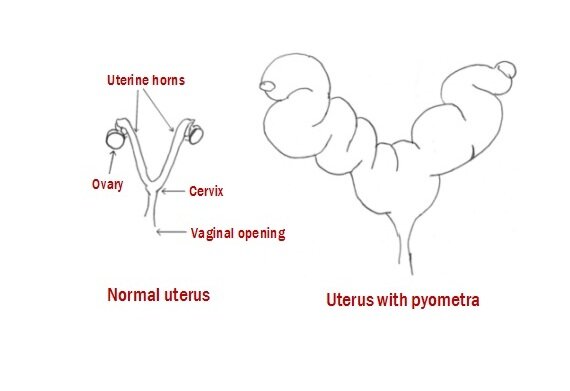
The word "Pyometra" derives from Latin "Pyo," meaning pus, and "metra," meaning uterus. Feline Pyometra is an abscessed, pus-filled, infected uterus. Toxins and bacteria leak across the uterine walls and into the bloodstream, causing life-threatening toxic effects. Without treatment, death's inevitable.

Luna Was the First Privately Owned Cat to Survive Feline Infectious Peritonitis with the Drug GS-441524 (formerly EVO984) at UCDavis with Dr. Niels Pedersen in April 2017.
Cats are obligate carnivores, and raw is a species-appropriate diet. Kibble has only been around since WW2, and although its purpose was convenience and longevity, that comes with a sacrifice. Kibbles are pressure cooked at high heat, which removes most natural nutrition. Cheap oils are then used to coat them and add back synthetic vitamins to hit a base level requirement.

Cats are very small in size and compared to humans and most dogs. They also lack certain liver enzymes, and both of these factors make them much more sensitive to certain drugs and chemicals that don't pose an issue for other species. Cats can be exposed by ingesting these items, as well as by grooming chemicals from their coats. Some toxins can cause damage by inhalation, while others are absorbed directly through the skin.

A 2020 report by the Pet Poison Hotline indicated the most common toxin exposures in cats include: topical spot-on insecticides, household cleaners, human drugs such as NSAIDs (ibuprofen, naproxen), acetaminophen (Tylenol), and prescription medications, poisonous plants, human food items, and essential oils/potpourri.
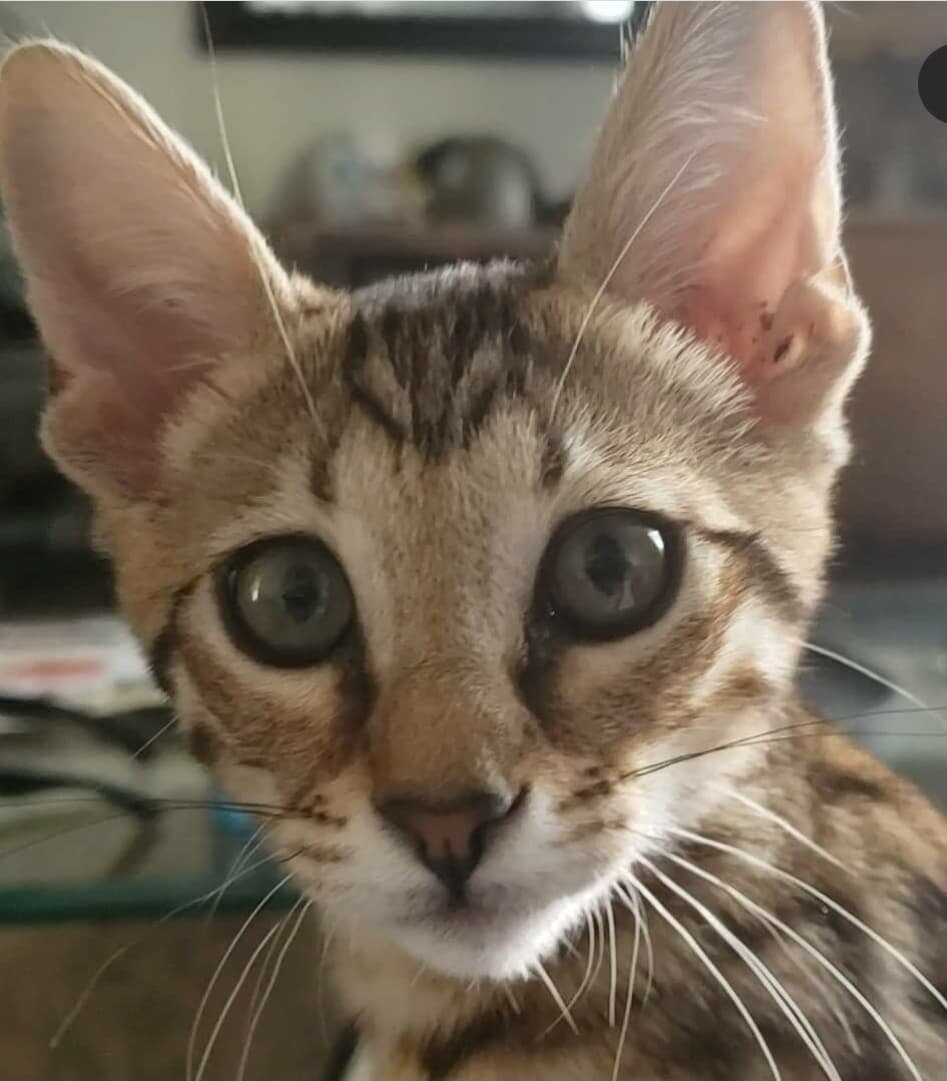
I want to take this opportunity to share our 13-month-old F4 Savannah boy Nile and warn all cat owners about the dangers and warning signs of ingesting rodent poison.

Just over six years ago, the Savannah Cat Rescue (SCR) chose me to be Zuri's new mom. Some of you know my girl, and some even donated to help her recover from a botched declaw. Deb Roberts wrote a fantastic article about Zuri in June 2020 about her journey in this magazine's inaugural issue "Savannahgans®." Zuri's story has since taken a new twist, and I'd like to share it here.


An interview with Dr. David Bostwick DVM, MS, DACVIM (SAIM) Veterinary Specialist Missoula Veterinary Specialty Clinic, Missoula Montana

After careful research and education to learn about Savannah cats, and ultimately selecting a reputable breeder, Luna joined our family in March of 2017 at the age of 10 weeks. She was spunky, alert, playful, and in seemingly good health when I picked her up in Boston. Luna isn't your usual cat. She's exceedingly friendly, funny, quirky, overly loving, and loaded with personality. Luna exceeded all expectations of what we thought a Savannah cat would be. She quickly melded into our home and our hearts as our first pet.

One of the most common comments made by prospective Savannah owners is asking about the size of the Savannah cat. Everyone wants a large, beautiful, wild-looking cat. "The bigger, the better” is what they think.

Declawed cats will suffer medical effects; some may impact behavior such as urinating and/or defecating outside the litter box mostly because it hurts to get to the box and/or to use the box.
RESCUE AND SURVIVAL STORIES

I've always been a bit of a "Cat Lady" and become familiar with Savannah's in the early years of the breed, finding them intriguing. I'd brought two domestic cats into my relationship when I married, but my husband, Matt, wasn't a cat lover. However, he understood us to be a package deal and came to like the cats more than he'd care to admit, even today. My domestic cats lived to the ripe old ages of 16 and 20, and we had a wonderful life with them. Matt never failed to remind me he didn't want more cats once they passed on, but I couldn't fathom my life without cats. So when they both passed, there was about one year without cats—and it was probably the longest year of my life.
I want to explain the raw truth to those who think that a breeder who posts an “available cat” is a sad or even objectionable situation. It’s important to know that a breeder can only improve their breeding program by either introducing new breeding cats or keeping a kitten from a litter they’ve produced. If a breeder were to keep every retired breeding cat, they’d end up a cat hoarder; NOT a breeder.
On January 21, 2021, it was 47 degrees here in the Kansas City, MO, area. I was at work and my husband at home. My husband entered the house from the garage, leaving the garage door open, as he often does. Kobi, our two-year-old F1 Savannah, ran out the door and into the backyard. My husband followed him, and he ran back into the garage to get back in the house. But the entrance to the house was now closed. Kobi ran back out of the garage, and the pursuit continued. My husband followed him across our backyard into the neighbor's yard, and Kobi ran in front of the neighbor's house. By the time my husband reached the neighbor's front yard, he'd lost sight of Kobi.

In June of 2016, Folsom City Animal Services responded to a call about a deceased cat on the side of the road. Upon arrival, Animal Control Officer Walden realized the cat wasn't dead but alive and needed immediate veterinary care.

After escaping out the door, running across many acres, and scaling an out-of-reach, unusually-shaped tree, Phoebe spent ten days balancing on a branch, fighting for her life.

Zuri’s first owner had her declawed on all four paws at just six months of age. This act wreaked havoc for poor Zuri until her rescuer sought help for her through botched declaw corrective surgery.
COOL SAVANNAH STORIES

Whether you're in the market for a Savannah or already have one or ten, there are a few things to keep in mind when taking your Savannah outside. The outdoors can be an incredible experience for them, but your Savannah's safety--and your own are the number one priority. I've made a short article on some things to remember while getting ready to take your furry friend on a great outdoor adventure.
I've always been a bit of a "Cat Lady" and become familiar with Savannah's in the early years of the breed, finding them intriguing. I'd brought two domestic cats into my relationship when I married, but my husband, Matt, wasn't a cat lover. However, he understood us to be a package deal and came to like the cats more than he'd care to admit, even today. My domestic cats lived to the ripe old ages of 16 and 20, and we had a wonderful life with them. Matt never failed to remind me he didn't want more cats once they passed on, but I couldn't fathom my life without cats. So when they both passed, there was about one year without cats—and it was probably the longest year of my life.
The Savannah cat breed's miraculous story starts with the surprise birth of a single Serval-domestic hybrid kitten. From there, it evolves with several breeders responsible and recognized for the founding and progression of the Savannah breed, gaining The International Cat Association (TICA) Breed Recognition. Without TICA's recognition, the Savannah cat was nothing more than a hybrid cat, not an actual breed. Continue reading about the challenges and the visionaries who meticulously and carefully bred for a specific set of characteristics, shaping the Savannah breed to what it is today. The history is, however, not without discrepancies in some of the earlier details. I’ve shared the information obtained in the most neutral way possible, with respect for the accuracy and details as they were presented.
I feel it’s important for Savannah owners and enthusiasts to know the backstory of the breed’s creation and what it took to be where it is today. Special thanks to Patrick Kelley and Joyce Sroufe for the many enlightening discussions for this deep dive into early breed history and Brigitte Cowell Moyne for the endless amount of resources for achieving breed recognition and more.

I believe you can purchase just about anything over the Internet--even 20 years ago! Previously, I'd owned various exotic animals, one being an albino Burmese Python. We wanted an exotic cat as well. That's when we found Joyce Sroufe of ExoticCats.com (now A1Savannahs.com). She'd been instrumental in creating a new cat breed--a mix between an African Serval and a domestic cat.

The most simple tasks become complex when living with a Savannah. All I wanted was a cup of coffee.

After losing their cat Rex of seven years to heart disease, Chris and Joe welcomed their first Savannah Cat into their lives.
CAT-SAFE & TOXIC HOUSEPLANTS

I've been researching and reviewing houseplants for the last few years and have found many hardy and easy-to-grow options that are both non-toxic to your cat and aesthetically pleasing to you.
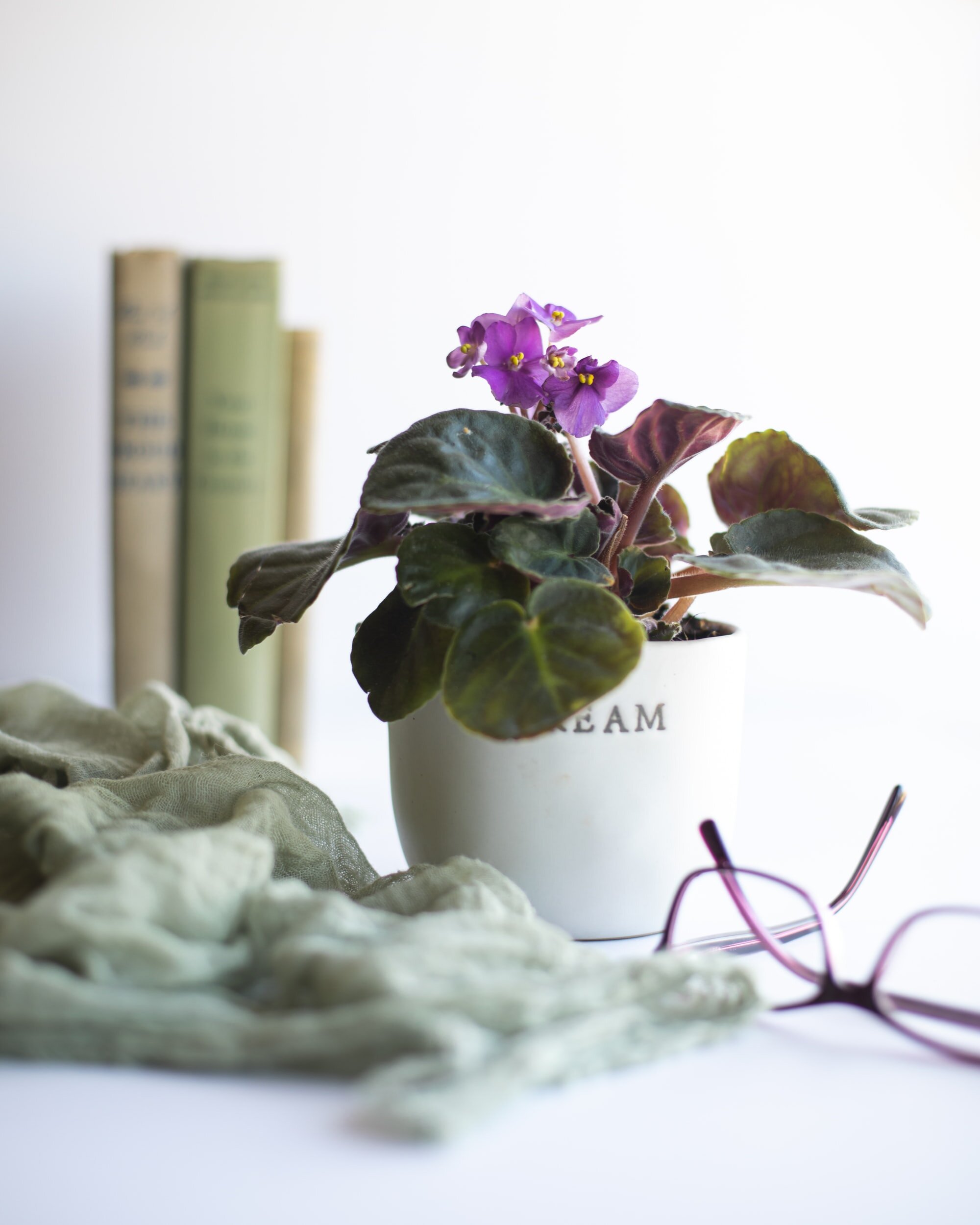
Potted plants are popular gifts or decorations during the holiday season, and cats often can’t avoid the temptation to investigate something new.

I've been researching and reviewing houseplants for the last few years and have found many hardy and easy-to-grow options that are both non-toxic to your cat and aesthetically pleasing to you.
CAT TOYS AND PRODUCT REVIEWS


It's a common trope that cats hate water, yet just like every other living being, they need it to survive. While cats on a wet food diet get a large percentage of their hydration needs from their food, they still require a source of fresh water.
What's often not considered are the needs of those who provide the water. Primarily, ease of use and ease of maintenance. You never want to find yourself in a situation where cleaning the water bowl is so much work you say to yourself, “I’ll do it tomorrow!”

Cat Wheels are a GREAT way to keep your Savannah occupied and to burn up extra energy. However, not all cat wheels are created equal. A good, stable wheel is more likely to entice your cat to use it. We've tried several different cat wheels at our cattery. This includes the "Go Cat Wheel," One Fast Cat Wheel," Go Pet Wheel," and now a couple of "Ziggy Doo Ferris Cat Wheels."

The Ripple Rug concept is, you position the lighter rug (with the holes) on the bottom floor mat, using Velcro, to make tunnels your cat can play in. The holes can be made larger with scissors as needed.